


Tangem vs. Trezor Model T—both protect your crypto offline, but they work in very different ways. And if you’re new to crypto wallets, the last thing you need is more confusion. That’s why this guide keeps it simple. We’ve laid out the differences clearly, so by the end, you’ll know exactly which wallet makes the most sense for you.
Quick Comparison: Tangem vs. Trezor Model T at a Glance
Here’s a side-by-side look at the key specs and features. If you’re short on time, this table gives you a feel for how these wallets stack up:
 |
|
|
Form Factor |
NFC-enabled smart card |
Touchscreen device with USB-C |
Display |
None (uses smartphone app) |
1.54″ color touchscreen |
Setup Time |
1–3 minutes via app |
~5 minutes with Trezor Suite |
Security Architecture |
EAL6+ secure chip, closed firmware |
Open-source firmware, PIN/passphrase |
Backup Options |
Multi-card or optional seed phrase |
12/24-word seed or Shamir Backup |
App Experience |
Mobile-only (iOS/Android) |
Desktop-first (Trezor Suite) |
Buy/Sell/Swap/Staking |
Integrated directly in app |
Available via Trezor Suite integrations |
Price Range |
$54.90–$160 (depending on set) |
$129 (often discounted to $99) |

As you can see, this isn’t a matter of which wallet is “better”—it’s about which one aligns better with how you use crypto. And a big part of that comes down to how each wallet is designed to work in the real world.
What is Tangem Wallet?

Tangem Wallet is a Swiss-designed cold wallet that launched in 2018, and it’s unlike anything you have seen.
It looks like a regular bank card, but inside is a high-security chip that stores your crypto’s private key—completely offline. This makes it far more secure than “hot wallets” (like apps or browser extensions), which stay connected to the internet and are prone to hacks, phishing, and malware. With Tangem, nothing ever leaves the card—not even your key.
Available in black, green, or orange, Tangem is also known for its minimalist approach—no cables, no batteries, just tap and go with your smartphone. Whether you’re storing Bitcoin, Ethereum, or hundreds of other coins, it’s as simple as using contactless payment. Want to know how it holds up in the real world? Check out our full Tangem Wallet review for the deep dive.
What is Trezor Model T?

The Trezor Model T is a Czech-made hardware wallet created by SatoshiLabs and officially released in 2018 as the premium upgrade to the original Trezor One. It’s a cold wallet, meaning it stores your crypto keys completely offline—shielded from online threats. Unlike hot wallets, the Model T ensures every transaction is confirmed on its color touchscreen, keeping hackers out of the loop entirely.
Built with security and usability in mind, the Model T comes in a sleek matte black and was designed to give users full control without sacrificing convenience. It supports thousands of coins and tokens, including Bitcoin, Ethereum, Solana, and more. If you’re looking for full transparency, open-source firmware, and a rich feature set, this wallet delivers. Read our extensive Trezor Model T review to see how it compares in real-world use.
Let’s now talk about the first thing you’ll notice—how these wallets look and feel in your hands.
Design & Form Factor: Card vs. Touchscreen
Tangem is almost invisible in your pocket. It’s shaped like a credit card, weighs just 6 grams, and doesn’t need charging, cables, or even a screen. You interact with it entirely through your smartphone using NFC—just like tapping to pay. That means no plugging in, no boot-up time, and no chance of screen damage. The wallet is IP69K-rated for water and dust protection, resistant to X-rays, and built to withstand harsh temperatures. You can even go for the $160 Tangem Ring if you want crypto access on your finger. It’s the most portable wallet you’ll probably ever see.
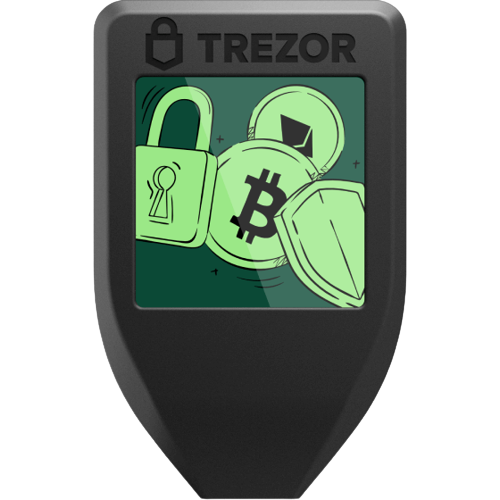
Trezor Model T takes a more traditional (but equally thoughtful) approach. It’s a small, secure gadget with a bright 1.54-inch color touchscreen. Unlike Tangem, it does require a USB-C connection and a computer or mobile device to set up and use. But that screen gives you full on-device confirmation of every transaction—you never have to trust what your phone or browser is showing. It also adds an extra layer of confidence by letting you enter your PIN and passphrase directly on the device, away from prying eyes.
So, Tangem gives you the feel of convenience and minimalism. Trezor gives you tactile control and visual security. Both are designed with safety in mind—but their forms are made for different kinds of users.
Tangem vs Trezor Model T: Ease of Use & Setup
No one wants a wallet that feels like setting up a home server. The good news? Both Tangem and Trezor Model T are fairly quick to set up—but they take very different routes to get there.
Tangem keeps things ultra-simple. All you need is your smartphone and the Tangem app. Just tap your card to your phone via NFC, set an access code, and you’re done. The private key is generated securely inside the card’s chip and never leaves it. No cables, no computers, no accounts. If you’re new to crypto or just want something that works, Tangem’s setup is almost frictionless—ready in under three minutes.
Trezor Model T takes a bit more time, but it offers more control. You’ll connect the device via USB-C and walk through the setup using the Trezor Suite app. You’ll be guided to create a PIN, write down a 12- or 24-word recovery seed, and optionally enable a passphrase for added protection. The color touchscreen makes this easier and safer—you never have to type sensitive data on your computer.
In short: Tangem is plug-free and mobile-first, built for simplicity. Trezor is hands-on and feature-rich, built for those who prefer visual confirmation and control. The choice here depends on whether you prioritize speed and convenience—or deeper configurability.
Tangem vs Trezor Model T: Security Architecture
When it comes to protecting your crypto, Tangem and Trezor Model T take different security paths—but both are serious about safety.
Tangem leans on high-end hardware. Its chip is certified to EAL6+, the same level used in biometric passports. The private key is generated offline inside the chip and can never be extracted, copied, or exported—even by Tangem. No backdoors, no cloud dependencies. It’s been independently audited by both Kudelski Security and Riscure, and it’s completely air-gapped. You can also set a PIN or access code to block unauthorized use, and the card only works when physically tapped.
Trezor, meanwhile, bets on transparency. It does not use a secure element—instead, it relies on open-source firmware and full community review to keep things honest. The device isolates your keys from online threats and requires all sensitive operations (like confirming a transaction or entering a passphrase) to be done on the touchscreen itself. There’s no mystery code, and the firmware can be verified by anyone. You also get PIN protection, passphrase entry, and 2FA capabilities via FIDO2.
In essence, Tangem’s security is locked down at the hardware level, while Trezor’s strength lies in openness, control, and proven cryptographic standards. One favors sealed security, the other favors auditable transparency.

Trezor Model T vs Tangem: Backup & Recovery Options
Even the most secure wallet is only as good as its recovery method—and here’s where the wallets split sharply.
Tangem uses a clever physical backup system. You can choose a 2-card or 3-card set, and all cards function as clones of the same wallet. Lose one? The others still grant full access. No need to write down or hide a recovery phrase—just store the spare cards safely. That said, for those who prefer traditional seed phrase backups, Tangem also gives the option to generate one inside the app and import it onto the card.
Trezor Model T sticks to the time-tested seed phrase method. During setup, it generates a 12-, 20-, or 24-word BIP39 recovery phrase. Write it down and store it offline—this phrase is your lifeline. But Trezor takes it a step further with Shamir Backup (SLIP39), an advanced option that lets you split your recovery phrase into multiple parts. You decide how many parts are needed to recover the wallet (e.g., 2-of-3 or 3-of-5). This makes it much harder for a single lost paper or breach to compromise your funds.
So if you’re not a fan of handling seed phrases, Tangem’s card-based recovery is low-maintenance. If you want fine-grained control and maximum redundancy, Trezor’s seed phrase system offers flexibility and proven reliability.
Trezor Model T vs Tangem: Supported Coins & Features
Let’s talk real-world usability. Whether you’re holding Bitcoin, staking Solana, or swapping tokens, a hardware wallet should help you do more with your crypto—not limit you.
Tangem supports over 6,000 cryptocurrencies and tokens, including major players like Bitcoin, Ethereum, Solana, Polygon, and stablecoins like USDT and USDC. Through the Tangem app, you can buy crypto with Apple Pay, Google Pay, or bank cards, swap assets, and even stake directly—all from your phone. The interface feels more like a modern fintech app than a cold wallet, making it easy for beginners to jump in. Everything happens seamlessly in-app, without needing third-party platforms.
Trezor Model T, on the other hand, integrates deeply with the Trezor Suite app, which offers a wider range of advanced tools for crypto veterans. It supports fewer tokens natively than Tangem, but you can expand compatibility through external wallets like Electrum, Exodus, or MetaMask. This makes it ideal for those managing DeFi, NFTs, or multi-sig setups. Through the Suite, you can also track your portfolio, stake coins, and use privacy-focused features like Tor routing and coin control for UTXO management—great for serious Bitcoiners and privacy advocates.
So while Tangem wins for convenience and quick actions on mobile, Trezor Model T wins on depth, flexibility, and privacy customization.
Software Experience
Now let’s look at the apps that power these devices—because the wallet is only half the experience.
Tangem’s app is clean, fast, and refreshingly modern. It’s exclusively mobile, and once you tap your card to your phone, you get instant access to your wallet dashboard. Track prices, view your portfolio, analyze coins, swap assets, or stake—all without logging in or using a cable. It’s built for ease: zero clutter, smooth UX, and no unnecessary steps. Perfect if you live on your phone and want crypto tools on the go.
Trezor Suite, by contrast, is desktop-first, though browser and limited mobile access are available. It’s designed with functionality in mind: portfolio tracking, built-in exchanges, staking, UTXO control, and strong focus on privacy. You can also use the microSD slot on the Model T for future advanced features like encrypted storage. Trezor Suite isn’t flashy, but it gives serious users the levers they need to control every part of their crypto activity.
Device Durability & Physical Security
A hardware wallet needs to survive more than cyberattacks—it also has to survive your backpack, your pocket, or even a mishap on vacation.
Tangem is built for extremes. It has no moving parts, no screen, and no charging port. It’s IP69K-rated, meaning it’s resistant to dust, water, extreme temperatures, X-rays, and electromagnetic pulses. The chip inside is only 1×1 mm and housed in a monolithic design, giving it an estimated lifespan of 25+ years. If you want something you can carry like a bank card or even wear as a ring, Tangem is about as durable and discreet as it gets.
Trezor Model T, while more delicate due to its touchscreen, is still built with high-quality materials. Its polycarbonate shell is strong, lightweight (22g), and designed to survive daily use. Every device comes with security seals to alert you if the packaging has been tampered with. It’s also X-ray safe and air travel–friendly. That said, it does rely on a screen and port, so a bit more care is needed compared to Tangem’s “no maintenance” style.
Tangem vs Trezor Model T: Price & Value
When it comes to hardware wallets, you’re not just paying for a gadget—you’re paying for peace of mind. But depending on your needs, one wallet might deliver more value than the other.
Tangem is the more affordable of the two, with pricing starting at $54.90 for a 2-card set and $69.90 for a 3-card set. A Tangem Ring bundle (with 2 cards) costs $160, offering a stylish wearable option. There are no subscription fees, no cables to buy, and no batteries to replace. And because each card can last up to 25 years, it’s a solid long-term investment. You also don’t need to purchase multiple wallets for backup—each card is a functional clone, making recovery simple and cost-effective.
Trezor Model T sits at the higher end of the market with a regular price of $129, though it’s often discounted to $99. For that price, you get a full-color touchscreen, secure firmware updates, a USB-C cable, a magnetic dock, and a recovery card set. While it doesn’t include extras like a multi-device backup by default, it does support advanced features like Shamir Backup, 2FA, and privacy-focused tools that justify the price for power users.
If you want maximum simplicity and redundancy at a lower cost, Tangem gives you more for less. If you’re looking for feature depth, touchscreen security, and expert-level tools, Trezor Model T is worth every dollar.
Trezor Model T vs Tangem: Pros & Cons
Tangem Wallet
Pros
- 📱 Ultra-portable — credit card-sized and fits in your wallet
- 🔒 Secure element chip (EAL6+) keeps keys 100% offline and unextractable
- 💧 Waterproof, bend-proof, and rugged for real-world use
- 🧠 No seed phrase to write down — backup uses multiple cards instead
- 📲 Easy tap-to-use with iOS and Android via NFC
- 🛫 Great for travel and on-the-go users
Cons
- 📵 Requires a smartphone — no desktop or standalone option
- 🔐 No passphrase or PIN protection on the card itself
- 🔄 Relies on Tangem’s app — no third-party wallet support
- 🔧 Limited advanced features for privacy or multi-sig setups
Trezor Model T
Pros
- 🖥️ Vivid color touchscreen for easy PIN, passphrase, and transaction confirmation
- 🔓 Fully open-source — firmware, software, and hardware designs
- 🧰 Advanced features: Shamir Backup, Tor, coin control, staking, and more
- 🧩 Works with Trezor Suite & third-party wallets (like MetaMask via WebUSB)
- 🔑 On-device key management — keys never leave the device
- 🏗️ Ideal for experienced users or those with diverse portfolios
Cons
- 📶 Requires a cable connection (USB-C to USB-A included)
- 📏 Larger and less portable than Tangem
- 🧾 Needs you to write down and safely store a recovery seed
- 🧱 Not waterproof or impact-resistant — handle with care
Which Wallet Should You Choose: Trezor Model T or Tangem?
As you have seen so far in the Tangem or Trezor Model T comparison, both wallets are excellent. However, they appeal to different types of users. To put it simply:
Choose Tangem if you are:
- New to crypto and want an easy, mobile-first experience
- Someone who prefers tap-and-go simplicity over technical setup
- A traveler or minimalist who needs something ultra-portable and maintenance-free
- An individual who dislikes writing down recovery phrases
- Looking for a long-lasting cold wallet that’s affordable and convenient
Go for Trezor Model T if you are:
- A security-conscious user who values on-device confirmation
- Comfortable using recovery seeds, PINs, and advanced features
- Managing a diversified portfolio or interacting with DeFi/NFT apps
- A privacy-focused individual who uses Tor, UTXO control, or multisig
- Someone who wants a touchscreen interface and full visibility on every transaction
🛍️ Where & How to Buy Tangem or Trezor Model T
So you’ve weighed the pros and cons, and you’re ready to take the next step — securing your crypto. Whether you’re going with the sleek, tap-and-go Tangem Wallet or the feature-rich Trezor Model T, the most important thing is this: buy directly from the official source.
Buying the Tangem Wallet (with Discount)
For the Tangem Wallet, head to the official Tangem website. That’s the safest way to ensure you’re getting an authentic, untouched device. You can choose between a 2-card or 3-card pack, depending on how you want to back up your wallet.
Use the exclusive promo code MARKETSXPLORA at checkout to get 10% off your order — no strings attached.
Tangem ships worldwide, and delivery times vary depending on your region. Payments are smooth and crypto-friendly, with support for credit cards, Apple Pay, and various cryptocurrencies, including Bitcoin and Ethereum.
Buying the Trezor Model T (Avoid Third Parties)
When buying a Trezor Model T, never take chances — always purchase directly from trezor.io. This guarantees your device is genuine, secure, and tamper-free.
Here’s what you can expect:
- Free shipping to the United States
- Fast international delivery via DHL (4–5 business days) or UPS (5–7 business days)
- Secure payment options like PayPal, Google Pay, Apple Pay, debit/credit cards — and even Bitcoin
🌍 Shipping prices vary:
- UK: from $5.51 (2-day delivery)
- Australia: starts at $13.53
- Nigeria: up to $30, but you get peace of mind with trusted carriers like DHL and UPS
With a direct purchase, you not only avoid counterfeits but also get full warranty coverage and access to official support if anything goes wrong.
Whichever wallet you choose, always keep the box sealed until setup, and follow the manufacturer’s official instructions for activation. Never buy secondhand or from unknown online sellers. Your security starts with where you buy — and these two wallets are worth getting right from the source.
Final Thoughts
Choosing between Tangem and the Trezor Model T isn’t about picking the “best” wallet overall — it’s about finding the one that truly fits your lifestyle, comfort level, and vision for the future of your crypto journey.
If you’re someone who values simplicity, mobility, and tap-and-go convenience, Tangem offers a refreshingly modern experience. If you prefer transparency, open-source control, and touchscreen interactions with every transaction, the Trezor Model T is a trusted veteran.
Whichever you choose, the most important step is this one — taking custody of your crypto and securing it with a hardware wallet you understand and trust. That’s the real win.
Now that you know the facts, all that’s left is to get started safely — and make your move with confidence.
Related ↓
Frequently Asked Questions
Are Tangem Wallet and Trezor Model T safe to use?
Yes, both are highly secure hardware wallets but use different approaches. Tangem uses an EAL6+ certified secure element chip to generate and store your private key inside the card—it’s never exposed or exported. Trezor Model T relies on open-source firmware and a secure touchscreen interface to confirm transactions directly on the device.
What’s the difference between Trezor Model T and Tangem?
Tangem is a screenless, mobile-first wallet that uses NFC cards or a ring and works entirely via a smartphone app. Trezor Model T is a touchscreen-based wallet that connects via USB-C and is managed through the Trezor Suite desktop app. Tangem is ultra-portable and beginner-friendly; Trezor offers deeper customization, privacy tools, and broader third-party integrations.
Is Trezor Model T better than Tangem Wallet?
Not necessarily—it depends on your needs. Trezor Model T is better for advanced users, privacy advocates, and those who want full control with seed phrase and passphrase options. Tangem is better for beginners, travelers, and anyone who wants a simple, durable, and backup-friendly cold wallet without seed phrase stress.
Which coins are supported by Tangem Wallet?
Tangem supports over 6,000 cryptocurrencies and tokens, including BTC, ETH, MATIC, XRP, ADA, SOL, BNB, stablecoins like USDT/USDC, and many ERC-20 tokens. It also supports buying, swapping, staking, and selling directly in the app.
Where can I buy the Tangem Wallet or Trezor Model T?
You can buy both wallets from their official websites:
- Tangem: tangem.com
- Trezor Model T: trezor.io
You’ll also find them on reputable resellers like Amazon or authorized distributors—just make sure to avoid third-party sellers that might tamper with packaging.
What happens if I lose my Tangem Wallet?
If you bought a 2- or 3-card Tangem set, your spare card(s) give you full access to your wallet. No recovery phrase needed unless you opted to create one. Just pair a remaining card with the Tangem app and continue using your wallet safely.
What happens if I lose my Trezor Model T?
You can restore your wallet on a new Trezor device using your 12- or 24-word recovery phrase, or using your Shamir Backup if enabled. As long as your seed is safely stored offline, your crypto is not lost.
Can I use both wallets at the same time?
Yes. You can split your holdings between Tangem and Trezor for diversified cold storage. This can enhance security by separating assets across devices with different backup methods and usage styles.