


Trezor just launched the Safe 7, their most advanced hardware wallet yet, but should you upgrade from the Safe 5? Both wallets come from the same trusted manufacturer, yet the feature differences are substantial. This detailed Trezor Safe 7 vs Safe 5 comparison helps you decide if the Safe 7’s premium features justify the higher cost or if the Safe 5 still delivers everything you need.
Trezor Safe 7 vs Trezor Safe 5: Quick Specs Comparison
Here’s how the Trezor Safe 7 vs Trezor Safe 5 compare at first glance:
 |
 |
|
|---|---|---|
Price |
$249 |
$169 |
Launch Date |
October 21, 2025 |
June 14, 2024 |
Display Type |
Color LCD |
Color LCD |
Screen Size |
2.5″ (520x380px) |
1.54″ (240x240px) |
Screen Size Difference |
62% larger |
Base reference |
Display Brightness |
700 nits |
Standard (not specified) |
Weight |
45g |
23g |
Dimensions |
75.4 x 44.5 x 8.3mm |
65.9 x 40 x 8mm |
Battery Type |
LiFePO₄ (330mAh) |
None (USB-powered) |
Wireless Charging |
Yes (Qi2 magnetic) |
No |
Bluetooth |
Yes (encrypted) |
No |
Secure Chips |
TROPIC01 + EAL6+ (dual) |
EAL6+ (single) |
Quantum-Ready |
Yes |
No |
Firmware |
Open-source |
Open-source |
Water/Dust Rating |
IP54 |
None |
Body Material |
Aluminum unibody |
PC-ABS plastic + aluminum back |
Glass Protection |
Gorilla Glass 3 |
Gorilla Glass 3 |
Colors Available |
3 options |
4 options |
Haptic Feedback |
Yes |
Yes |
What’s in the Box:
Trezor Safe 7: Hardware wallet, USB-C cable, 2x 20-word backup cards, startup guide, safety guide, stickers, free magnetic wireless charger
Trezor Safe 5: Hardware wallet, USB-C cable, 2x wallet backup cards, startup guide
The Trezor Safe 7 vs Safe 5 price difference is $80, but the Safe 7 includes wireless charging capability and a free magnetic charger worth approximately $30-40.
Design & Build Quality
Both wallets share Trezor’s commitment to premium design, but they target different user priorities.
Trezor Safe 7 Build:
- Premium aluminum unibody construction milled from a single aluminum block
- Reinforced glass backplate with NCVM coating (enables wireless charging and Bluetooth)
- Gorilla Glass 3 display protection (scratch and impact resistant)
- IP54-rated protection against dust and water splashes
- Heavier at 45g due to metal construction and battery
- Larger footprint: 75.4 x 44.5 x 8.3mm
- Three color choices: Charcoal Black, Obsidian Green, Bitcoin Orange
Trezor Safe 5 Build:
- Durable PC-ABS plastic body with anodized aluminum backplate
- Gorilla Glass 3 display protection
- No water/dust resistance rating
- Lightweight at only 23g—incredibly portable
- Compact design: 65.9 x 40 x 8mm
- Four color options: Black Graphite, Violet Ore, Green Beryl, Bitcoin Orange
The Safe 7 weighs nearly double (45g vs 23g) due to its all-metal construction, battery, and dual secure chips. If you prioritize ultimate portability, the Safe 5’s featherweight design slides easily into any pocket. However, if you need rugged protection for travel or outdoor activities, the Safe 7’s IP54 rating and metal body provide peace of mind against accidental splashes and dust exposure.
Build Quality Winner: Safe 7 for durability and premium feel; Safe 5 for lightweight portability.
Display Comparison
The screen difference between the Trezor Safe 7 vs Trezor Safe 5 is immediately noticeable.
Display Feature |
Trezor Safe 7 |
Trezor Safe 5 |
|---|---|---|
Technology |
Color LCD with haptic feedback |
Color LCD with haptic feedback |
Screen Size |
2.5 inches |
1.54 inches |
Resolution |
520 x 380 pixels |
240 x 240 pixels |
Pixel Density |
Higher (sharper text) |
Lower (adequate clarity) |
Brightness |
700 nits (exceptional) |
Standard (good indoors) |
Size Advantage |
62% larger than Safe 5 |
Smaller but adequate |
Outdoor Visibility |
Excellent (very bright) |
Good in shade, struggles in sun |
Transaction Details |
Shows more info at once |
Requires scrolling |
QR Code Scanning |
Larger codes easier to scan |
Works but smaller |
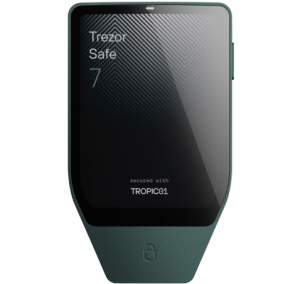
The Trezor Safe 7’s 2.5-inch display at 520×380 pixels delivers 62% more screen real estate than the Safe 5. This means you can view complete transaction details without scrolling, verify longer wallet addresses more easily, and enjoy sharper text rendering. The 700-nit brightness makes outdoor use effortless—even in direct sunlight, everything remains clearly visible.
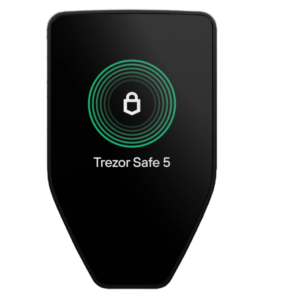
The Safe 5’s 1.54-inch screen at 240×240 pixels works perfectly well for all wallet operations. You’ll need to scroll more when reviewing long addresses or complex transactions, but the Gorilla Glass 3 protection and haptic feedback provide the same premium interaction feel as the Safe 7.
Practical Impact: If you frequently verify transactions on the go or have vision challenges, the Safe 7’s larger, brighter display makes a meaningful difference. For occasional users who primarily transact indoors, the Safe 5’s screen is completely sufficient.
Security Architecture
Security is where the Flex vs Safe 7 comparison gets fascinating, and fortunately, both wallets deliver exceptional protection with different approaches.
Trezor Safe 7 Security:
- Dual Secure Element Protection: TROPIC01 chip (world’s first auditable Secure Element) + additional EAL6+ certified chip
- Quantum-Ready Architecture: Built specifically to receive quantum-secure firmware updates when needed
- Open-Source Transparency: Complete firmware visibility for community auditing
- Auditable TROPIC01 Chip: Revolutionary transparent Secure Element—anyone can verify its security mechanisms
- PIN Protection: Up to 50 digits
- Advanced Multi-share Backup: Enhanced 20-word backup with multi-share options
- Passphrase Protection: 25th word capability
- MicroSD Encryption: Additional PIN encryption layer via microSD card
Trezor Safe 5 Security:
- Single Secure Element: NDA-free EAL6+ certified chip (same certification level, single chip)
- No Quantum Readiness: Standard security without quantum-safe architecture
- Open-Source Firmware: Complete code transparency like all Trezor devices
- PIN Protection: Standard PIN security up to 50 digits
- Enhanced 20-Word Backup: SLIP39 standard (Shamir Backup compatible)
- Multi-share Backup: Advanced backup splitting for distributed recovery
- Passphrase Protection: 25th word capability
- MicroSD Encryption: Additional PIN encryption layer via microSD card
Key Security Differences:
The most significant difference is the Safe 7’s dual Secure Element architecture. While the Safe 5 has one EAL6+ chip, the Safe 7 combines two: the revolutionary TROPIC01 auditable chip plus another EAL6+ chip. This dual-layer approach provides stronger physical protection against sophisticated attacks.
The TROPIC01 Breakthrough:
The Safe 7’s TROPIC01 chip represents a security milestone. Unlike traditional Secure Elements that operate as “black boxes,” TROPIC01 allows public verification of its security mechanisms. Security researchers can actually audit how the chip protects your private keys, eliminating the need to blindly trust proprietary implementations. This makes the Safe 7 the most transparent hardware wallet ever created.
Quantum-Ready Protection:
The Trezor Safe 7 is the only hardware wallet specifically designed with quantum-ready architecture. When quantum computers eventually threaten current cryptographic standards (predicted in 10-20 years), the Safe 7 can receive quantum-secure firmware updates. The Safe 5, while exceptionally secure today, lacks this future-proofing capability. If you plan to hold crypto for decades, this matters significantly.
Security Verdict: The Safe 7 offers superior long-term security with dual chips and quantum readiness. The Safe 5 provides excellent current-generation security at a lower price.
 |
 |
|---|---|
Connectivity & Power
How you connect and power your wallet dramatically affects daily convenience.
Connectivity Comparison:
Connection Type |
Trezor Safe 7 |
Trezor Safe 5 |
|---|---|---|
USB-C |
Yes |
Yes |
Bluetooth |
Yes (encrypted) |
No |
NFC |
No |
No |
Wireless Charging |
Yes (Qi2 magnetic) |
No |
Cable Included |
USB-C to USB-C |
USB-C to USB-C |
Mobile Compatibility |
Wireless + wired |
Wired only (with adapter) |
Desktop Use |
Wireless + wired |
Wired only |
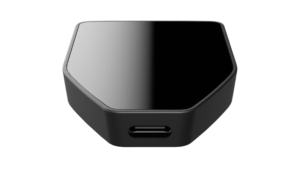
The Trezor Safe 7 vs Trezor Safe 5 connectivity comparison reveals the biggest practical difference between these devices. The Safe 7’s encrypted Bluetooth enables truly wireless operation with phones, tablets, and computers. You can manage transactions from your couch without hunting for cables. The Trezor Host Protocol (THP) encrypts every Bluetooth command, ensuring wireless security matches wired security.
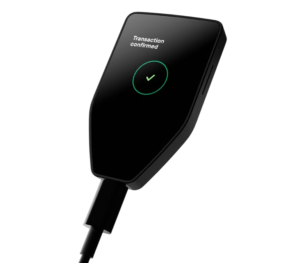
The Safe 5 requires USB-C connection for all operations. This makes it slightly less convenient for mobile use (you’ll need a USB-C to Lightning adapter for older iPhones or a direct USB-C connection for Android and newer iPhones), but some users prefer cable-only operation for peace of mind.
Power & Battery:
This is a fundamental difference in the Safe 7 vs Safe 5 comparison:
Trezor Safe 7:
- LiFePO₄ battery (lithium iron phosphate)—330mAh capacity
- 4x more charge cycles than standard lithium batteries
- Retains power for years in storage without degradation
- Thermal stability prevents overheating
- Safe to fully drain repeatedly
- Qi2 magnetic wireless charging included
- Can operate via USB-C if battery eventually fails
- Battery designed to last the device’s entire usable lifetime
Trezor Safe 5:
- No battery—always USB-powered
- Requires connection to power source for all operations
- No charging concerns or battery degradation
- Simpler design with fewer potential failure points
- More portable (lighter without battery)
- Cannot operate wirelessly
The battery distinction fundamentally changes how you use each wallet. The Safe 7 offers grab-and-go convenience—pick it up, handle transactions wirelessly, and place it on the charger when done. The Safe 5 requires you to plug in every time you need it, which is perfectly fine for planned transactions but less convenient for spontaneous crypto use.
User Experience
Daily usability determines whether you’ll enjoy using your hardware wallet or find it frustrating.
Setup Process:
Both wallets offer straightforward setup through Trezor Suite (desktop and mobile app). Expect 15-20 minutes for initial configuration, PIN creation, and recovery phrase backup. The Safe 7’s larger screen makes reading instructions slightly easier, but both provide clear, step-by-step guidance.
Navigation & Interface:
Trezor Safe 7:
- Responsive color touchscreen with vibrant haptic feedback
- Larger 2.5-inch display shows complete transaction details without scrolling
- 700-nit brightness ensures outdoor usability
- Intuitive icon-based navigation
- Wireless freedom enables comfortable viewing angles
- Transaction signing feels premium with satisfying haptic confirmation
Trezor Safe 5:
- Responsive color touchscreen with haptic feedback
- Smaller 1.54-inch display requires more scrolling for long addresses
- Good indoor visibility, struggles in bright sunlight
- Same intuitive Trezor interface scaled down
- Cable tethering limits viewing flexibility
- Haptic feedback provides reassuring confirmation
Both wallets use Trezor Suite for portfolio management, trading, and staking. The app experience is identical—the difference lies in the on-device experience during transaction signing and verification.
Daily Usage Convenience:
The Trezor Safe 7’s wireless capability transforms everyday use. Want to check your portfolio from bed? Grab your Safe 7 and connect via Bluetooth. Need to confirm a transaction while cooking? The Safe 7 works from anywhere in your home. The Safe 5 requires you to sit at your computer or connect to your phone with a cable.
Learning Curve:
- Complete beginners: Safe 5’s lower price and simpler design (no battery management, no Bluetooth pairing) might feel less intimidating
- Experienced users: Safe 7’s advanced features (wireless connectivity, quantum readiness) appeal to those wanting cutting-edge technology
- Mobile-first users: Safe 7’s Bluetooth makes mobile management dramatically easier
Cryptocurrency Support
Both wallets support the same cryptocurrencies since they use identical Trezor Suite software.
Supported Assets (Both Devices):
- 1,000+ coins and tokens supported
- Bitcoin, Ethereum, Solana, Cardano, Polkadot, Arbitrum, USDC, USDT
- All major ERC-20 tokens
- BEP-20, TRC-20, and other token standards
- NFT support through WalletConnect integration
- Continuous expansion as new projects emerge
Third-Party Integration:
- 70,000+ dApps via WalletConnect
- 30+ third-party wallet apps (MetaMask, Rabby, Backpack, Exodus, MyEtherWallet, Lace, Ronin, Monero wallet)
- DeFi platforms: Uniswap, Aave, Balancer, Lido, Jupiter, Curve
- NFT marketplaces: OpenSea, Rarible, Foundation
- Staking platforms for major proof-of-stake networks
There’s no difference between Safe 7 vs Safe 5 in terms of cryptocurrency compatibility. Both wallets receive the same firmware updates and support the same assets. The choice between them comes down to hardware features, not software capabilities.
|
|
|---|---|
Ecosystem & Compatibility
Both devices integrate seamlessly with Trezor’s complete ecosystem.
Trezor Suite Features (Both Devices):
- Desktop application (Windows, macOS, Linux)
- Mobile app (iOS, Android)
- Portfolio tracking with real-time price updates
- Transaction history and accounting
- Built-in exchange integration
- Staking interfaces for supported networks
- Price alerts and notifications
- Dark mode and customization
dApp Access:
Both the Safe 7 and Safe 5 connect to decentralized applications through WalletConnect. Whether you’re trading on Uniswap, farming yields on Aave, or buying NFTs on OpenSea, the experience is identical. Your private keys never leave the device—you simply approve transactions on the hardware wallet.
Third-Party Wallet Compatibility:
If you prefer using MetaMask, Rabby, or other software wallets for their advanced features, both Trezor devices work as secure keystores. The hardware wallet protects your private keys while the software wallet provides the interface.
Trading & Staking Features
Both wallets offer identical trading and staking capabilities through Trezor Suite.
Built-in Trading:
- Buy crypto with credit card, debit card, Apple Pay, or Google Pay
- Sell crypto and withdraw to bank accounts
- Swap between cryptocurrencies with price comparison across providers
- Access to multiple exchange partners for competitive rates
Staking Options (Both Devices):
Network |
Annual Yield |
Native Staking |
|---|---|---|
Ethereum |
3-5% |
Yes |
Solana |
6-8% |
Yes |
Cardano |
4-6% |
Yes |
Polkadot |
12-14% |
Yes |
Cosmos (ATOM) |
15-20% |
Yes |
Toncoin (TON) |
4-6% |
Yes |
Polygon |
5-8% |
Yes |
You earn passive income on proof-of-stake assets while maintaining complete custody. Rewards accrue directly to your wallet—no third-party staking services required for supported networks.
Privacy Features
Both Trezor devices provide identical privacy capabilities since privacy features are software-based.
Privacy Tools (Both Devices):
- Coin Control: Advanced UTXO selection prevents transaction linking
- Tor Integration: Built-in Tor support hides your IP address and online activity
- CoinJoin Support: Mix Bitcoin with other users for enhanced privacy
- Address Reuse Prevention: Automatic new address generation
- No Account Requirement: Use without creating a Trezor account
- Passphrase Protection: 25th word creates hidden wallets
- Multi-Account Support: Separate accounts for different purposes
Neither wallet requires you to create a Trezor account, register personal information, or undergo KYC verification. You can use either device completely anonymously.
Advanced Features
Power users will appreciate these sophisticated capabilities available on both devices.
Two-Factor Authentication:
Both wallets support FIDO2/U2F authentication, turning your hardware wallet into a universal security key. Log into Google, Amazon, GitHub, Coinbase, Binance, and thousands of other services without passwords. Simply tap your device to authenticate.
Backup & Recovery:
Backup Feature |
Trezor Safe 7 |
Trezor Safe 5 |
|---|---|---|
Standard Recovery |
12/20/24 words |
12/20/24 words |
Enhanced 20-Word |
SLIP39 standard |
SLIP39 standard |
Multi-share Backup |
Yes (Shamir Backup) |
Yes (Shamir Backup) |
Passphrase Protection |
Yes (25th word) |
Yes (25th word) |
MicroSD Encryption |
Yes |
Yes |
Cloud Recovery |
No |
No |
Shamir Backup Explained:
Both devices support Shamir’s Secret Sharing, which splits your recovery phrase across multiple shares (e.g., 3 of 5 shares required). Store shares in different locations—even if someone finds one share, they can’t access your crypto. This eliminates the single point of failure inherent in traditional 24-word backups.
MicroSD Encryption:
Both wallets feature a microSD card slot for additional PIN encryption. This feature encrypts your PIN attempts, making sophisticated PIN-cracking attacks virtually impossible even if someone steals your device.
Firmware Updates:
- Safe 7: Wireless firmware updates via Bluetooth or USB-C
- Safe 5: Firmware updates via USB-C only
Both devices receive regular firmware updates from Trezor, adding new features, improving security, and expanding cryptocurrency support.
Price & Value
The $80 price difference between these wallets represents distinct value propositions.
Trezor Safe 7 at $249:
What You Get for $80 More:
- Dual Secure Element protection (TROPIC01 + EAL6+)
- Quantum-ready architecture for future-proofing
- 62% larger, brighter display (2.5″ at 700 nits)
- Encrypted Bluetooth wireless connectivity
- LiFePO₄ battery with years-long lifespan
- Qi2 magnetic wireless charging (includes free charger worth $30-40)
- Premium aluminum unibody construction
- IP54 water and dust resistance
- Superior outdoor visibility
Long-Term Value:
- Free wireless charger: ~$35 value
- Quantum-ready future-proofing: invaluable for 10+ year holdings
- Wireless convenience: saves time on every transaction
- Battery eliminates potential cable failures
- IP54 protection prevents damage from spills/dust
- Actual premium over Safe 5: ~$45 after charger value
Trezor Safe 5 at $169:
What You Get:
- EAL6+ certified Secure Element (single chip)
- Current-generation excellent security
- Adequate 1.54″ color touchscreen
- Proven open-source firmware
- Lightweight, ultra-portable design (23g)
- No battery to maintain or eventually replace
- Simpler design with fewer potential failure points
- Multi-share backup and Shamir support
- Full Trezor Suite integration
- Lowest-cost Trezor touchscreen wallet
|
|
|---|---|
Pros & Cons
Trezor Safe 7
Strengths:
- First and only quantum-ready Trezor wallet
- Revolutionary auditable TROPIC01 chip (dual Secure Element)
- 62% larger, brighter display (2.5″ at 700 nits)
- Encrypted Bluetooth wireless connectivity
- Superior LiFePO₄ battery lasts for years
- Qi2 magnetic wireless charging included
- Premium aluminum unibody construction
- IP54-rated water and dust resistance
- Free wireless charger in box
- Better for mobile and on-the-go use
- Future-proof for long-term holdings
- Superior outdoor visibility
Weaknesses:
- Higher price point ($249 vs $169)
- Bluetooth connectivity some users don’t need
- Newer device with shorter track record
Trezor Safe 5
Strengths:
- Lower price point ($169)
- Ultra-lightweight and portable (23g)
- Adequate 1.54″ color touchscreen
- Same EAL6+ security certification level
- Proven open-source firmware
- No battery to maintain
- Simpler design with fewer failure points
- Four color options available
- Established user base and reviews
- Perfectly adequate for desk-based transactions
- Lower cost for multiple wallets
Weaknesses:
- No quantum-ready architecture
- Single Secure Element (vs Safe 7’s dual chips)
- No wireless charging capability
- No Bluetooth connectivity
- No IP rating for water/dust protection
- Always requires USB-C connection
Which Should You Buy: Trezor Safe 5 or Trezor Safe 7?
Choosing between Trezor Safe 7 vs Trezor Safe 5 depends on your specific usage patterns and priorities.
Choose Trezor Safe 7 if you:
- Want the absolute best security available (dual chips + quantum-ready)
- Plan to hold crypto for 10+ years (quantum-proofing matters)
- Frequently manage crypto on mobile devices
- Trade actively and value wireless convenience
- Need rugged protection for travel or outdoor use
- Want the brightest, largest Trezor screen
- Prefer wireless charging convenience
- Can justify the $80 premium for premium features
- Value cutting-edge technology
- Want maximum future-proofing
- Need excellent outdoor visibility
- Manage significant crypto holdings (where extra security is worth the cost)
Choose Trezor Safe 5 if you:
- Primarily transact at a desk with a computer
- Want the most affordable Trezor touchscreen wallet
- Prefer ultra-lightweight portability (23g)
- Don’t need wireless connectivity
- Value simpler design with no battery maintenance
- Rarely use your wallet outdoors
- Are comfortable with current-generation security
- Want proven, established device with extensive reviews
- Don’t plan to hold crypto for decades
- Prefer cable-only connections for peace of mind
- Need multiple wallets (lower per-unit cost)
- Are budget-conscious but want excellent security
For Long-Term HODLers:
The Safe 7 is the clear winner. Its quantum-ready architecture ensures your investment remains protected when quantum computers eventually threaten current cryptography. The LiFePO₄ battery will retain charge even after years in cold storage.
For Active Mobile Traders:
The Safe 7 transforms mobile crypto management. Wireless Bluetooth connectivity means you can approve transactions from anywhere without cable hunting. The bright 700-nit display works perfectly outdoors.
For Budget-Conscious Users:
The Safe 5 delivers exceptional security at $80 less. If you primarily transact at your desk and don’t need wireless features, you’re not sacrificing meaningful security—just convenience features.
For Desktop-Only Users:
The Safe 5 is perfectly suited for users who only manage crypto at their computer. The wired connection is actually simpler (no Bluetooth pairing), and the smaller size takes up less desk space.
For Travel & Outdoor Enthusiasts:
The Safe 7’s IP54 water/dust resistance, battery independence, and bright outdoor-readable display make it ideal for users on the move. Wireless charging eliminates cable hassles in hotel rooms.
For Privacy Advocates:
Both wallets offer identical privacy features (Tor integration, coin control, no account requirement). Choose based on other factors—privacy is equal.
For Multiple Wallet Setups:
The Safe 5’s lower cost makes it practical to own multiple devices for different purposes (one for Bitcoin, one for DeFi, one for NFTs). At $169 each, you can diversify physical storage without breaking the bank.
|
|
|---|---|
Final Verdict
The Trezor Safe 7 vs Safe 5 comparison reveals two excellent wallets targeting different user needs and budgets.
Both are outstanding choices from the original hardware wallet company. Your decision should align with your specific needs: wireless convenience and maximum future-proofing (Safe 7) or proven security at the best price (Safe 5).
Compare
Trezor Safe 7 vs Ledger Flex: The 2026 Winner You Didn’t Expect
Trezor Safe 7 vs Ledger Stax: Complete Comparison Guide 2026
Frequently Asked Questions
What is the main difference between Trezor Safe 7 and Trezor Safe 5?
Trezor Safe 7 adds dual Secure Elements, Bluetooth, wireless charging, a larger color display, quantum-ready architecture, and an aluminum body, while Safe 5 is a single-chip wired device with a smaller screen and plastic casing.
Is the Trezor Safe 7 more secure than the Trezor Safe 5?
Yes — Safe 7 uses dual Secure Elements with an auditable TROPIC01 chip plus EAL6+ protection, while Safe 5 uses a single secure chip. Both protect keys offline, but Safe 7 offers stronger physical and future-proof security.
Does the Trezor Safe 7 support more coins or features than the Safe 5?
Both support major coins and 70k+ dApps through Trezor Suite and WalletConnect, but Safe 7 adds wireless use, Qi charging, quantum-ready updates, and enhanced privacy controls not available on Safe 5.
Is it worth upgrading from Trezor Safe 5 to Trezor Safe 7 in 2026?
Upgrade is worth it if you want wireless use, stronger hardware security, and long-term quantum-ready protection. If you only need basic cold storage with cables, Safe 5 remains sufficient.
Which is better for beginners — Trezor Safe 5 or Safe 7?
Beginners who prefer a simple wired wallet may find Safe 5 easier and cheaper. Those who want a modern touchscreen and Bluetooth convenience will find Safe 7 more user-friendly.
Which one should I buy if I only want to store Bitcoin — Safe 5 or Safe 7?
For Bitcoin-only long-term storage, Safe 5 is adequate and cheaper. If you want maximum physical security and future-proofing for Bitcoin, Safe 7 is the stronger choice.