

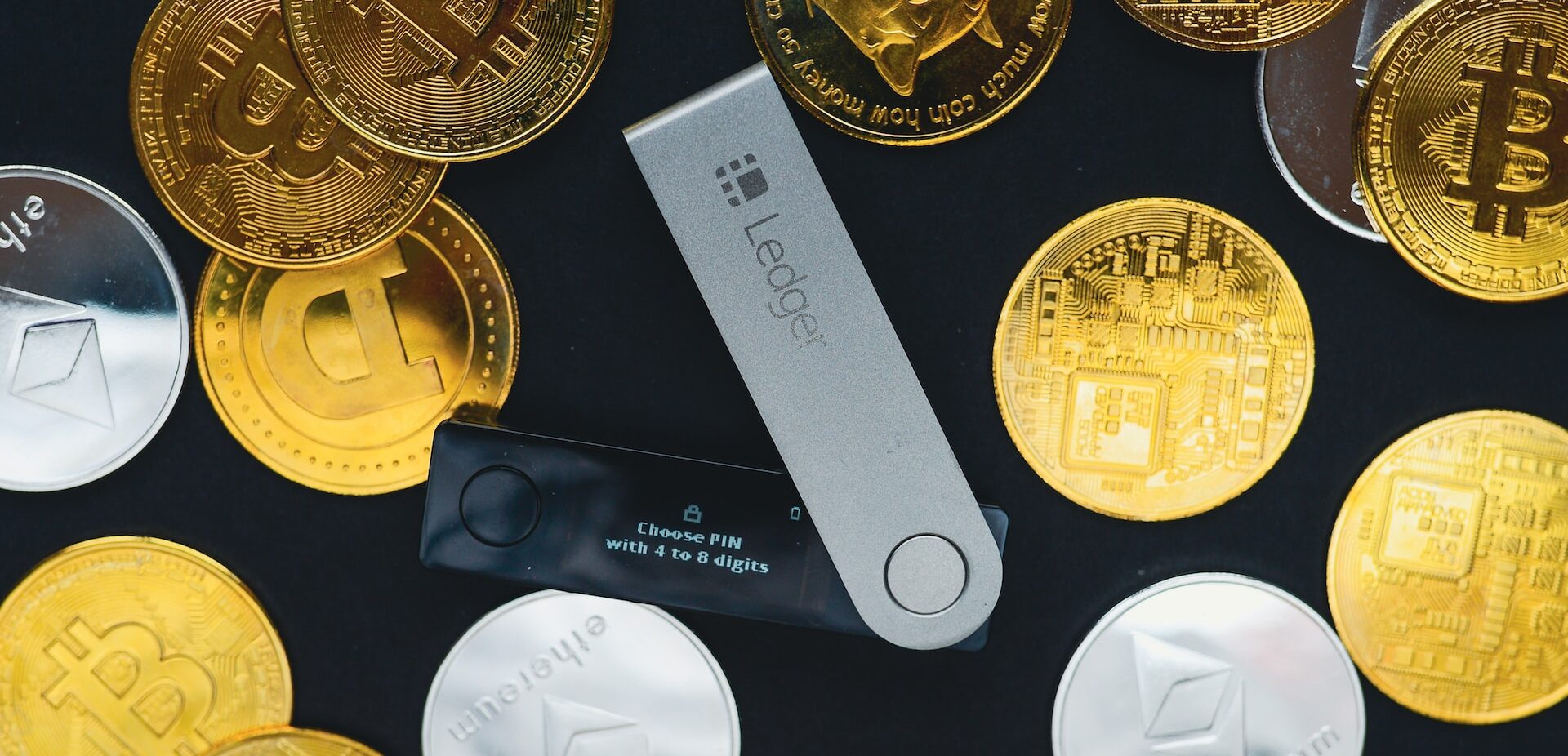
This comprehensive guide examines the ten best crypto wallets on the market, comparing their features, security capabilities, and value propositions to help you make an informed decision. Whether you’re a beginner seeking your first wallet or an experienced trader looking to upgrade, this guide covers everything you need to know about the top crypto wallets in 2026.
Here are the ten best crypto wallets we’ll be reviewing in detail:
- Ledger Flex
- Ledger Stax
- Ledger Nano X
- Ledger Nano S Plus
- Trezor Safe 5
- Trezor Safe 3
- Trezor Model T
- Trezor Model One
- Tangem Wallet
- Tangem Ring
What is a Crypto Hardware Wallet?
A crypto hardware wallet is a dedicated physical device used to store your private keys offline. Unlike hot wallets (mobile apps, browser extensions, or exchange wallets) that stay connected to the internet for quick access, hardware wallets are a form of cold storage — they keep your keys completely offline, away from hacks, malware, and phishing attacks. Hot wallets are easy and convenient for trading and everyday transactions, but they’re exposed to online risks. Cold wallets sacrifice a bit of convenience for strong long-term security.
Hardware wallets are considered better for serious holders because:
-
Your keys never touch the internet
-
Even if your computer is infected, your funds remain secure
-
Most support recovery through a seed phrase
-
They’re built specifically for security, not convenience
If you plan to hold crypto safely for the long term, a hardware wallet is the recommended choice.
10 Best Crypto Wallets for 2026
Now that you understand what hardware wallets are and why they’re essential for protecting your cryptocurrency, let’s dive deep into each of the top 10 crypto wallets available in 2026. We’ll examine their specific features, security implementations, supported cryptocurrencies, and real-world pros and cons to help you determine which wallet best fits your needs and budget.
1. Ledger Flex — Best Overall Premium Experience
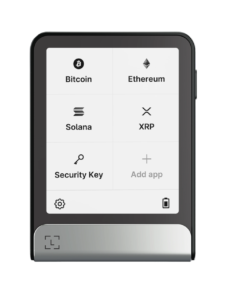
Launched on July 26, 2024, at $249, the Ledger Flex features a 2.84-inch E Ink touchscreen and supports over 15,000 crypto assets. This mid-range flagship from Ledger bridges the gap between the Nano X and the premium Stax, delivering approximately 80% of Stax’s functionality at 62% of the price.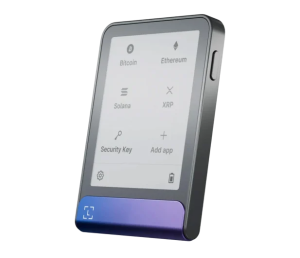
Key Specifications
- Price: $249
- Screen: 2.8-inch organic TFT E Ink touchscreen protected by Gorilla Glass—the world’s first organic TFT e-ink display using organic plastic rather than traditional glass
- Security: CC EAL6+ Secure Element chip, direct secure touchscreen connection
- Connectivity: Bluetooth 5.2, USB-C
- Supported Assets: 15,000+ cryptocurrencies including Bitcoin, Ethereum, Solana, Cardano, and all major ERC-20 tokens
- App Storage: Up to 100 apps simultaneously
- Colors: Graphite, BTC Orange, Neptune Blue, Oxidate Green, Solana Edition
Security Features:
The E Ink touchscreen is powered directly by the Secure Element, ensuring all on-screen information is cryptographically verified. This innovative approach eliminates potential attack vectors where malicious firmware could manipulate what you see on screen. The device includes Clear Signing technology that transforms complex blockchain data into plain, readable language before you approve transactions.
Backup & Recovery:
The Flex supports the standard 24-word BIP39 recovery phrase system. Users can optionally subscribe to Ledger Recover, though it’s not required. As long as you have your 24-word recovery phrase, you can restore your crypto on any compatible wallet or another Ledger device.
Physical Resilience:
The aluminum frame paired with a plastic back cover creates a device that feels premium while remaining lightweight, measuring shorter than a standard bank card. The Gorilla Glass-protected screen offers excellent scratch resistance, and the device supports 10+ hours of battery life on a single charge.
Best For: Users who want premium features including a large touchscreen and advanced security without paying Stax-level prices. Perfect for active traders who need clear transaction verification and NFT collectors who want to showcase their collection.
Pros |
Cons |
|---|---|
✅ Large, clear E Ink display with excellent outdoor visibility |
❌ E Ink display struggles in dark environments and direct sunlight without proper angling |
✅ Delivers 80% of Stax’s premium features at $150 less |
❌ No wireless charging—USB-C cable required |
✅ Premium build quality with aluminum frame |
❌ More expensive than basic Nano models |
✅ Direct secure element-to-screen connection eliminates attack vector |
❌ No screen backlight makes it difficult to use in dark settings |
✅ Customizable lock screen with NFT display |
❌ No protective case included in box |
✅ Security Key functionality for non-crypto accounts (FIDO2) |
❌ Occasional touchscreen sensitivity issues |
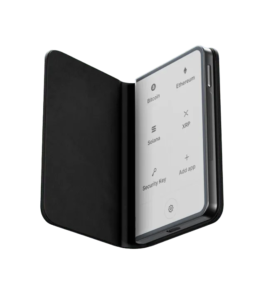
2. Ledger Stax — Ultimate Luxury Choice
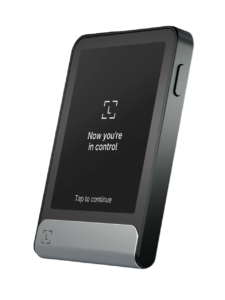
The Ledger Stax is Ledger’s top-of-the-line hardware wallet priced at $399, featuring a stylish 3.7-inch curved E Ink screen, Bluetooth connectivity, wireless charging, and customizable lock screens. Designed by iPod creator Tony Fadell, this is the most expensive hardware wallet on the market but delivers unmatched aesthetics and user experience.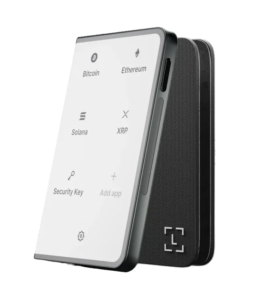
Key Specifications:
- Price: $399
- Screen: 3.7-inch curved organic plastic e-ink touchscreen—a first in consumer electronics—which wraps around the edge of the device
- Security: Secure Element Chip (ST33K1M5) with CC EAL6+ certification, the highest security standard for smart cards
- Connectivity: Bluetooth 5.2, USB-C, NFC, Qi wireless charging
- Dimensions: Credit card-sized (85mm x 54mm x 6mm), 45.2g
- Battery: Up to 10 hours per charge with wireless charging support
- Supported Assets: 5,500+ coins and tokens
Security Features:
The Stax connects the secure element chip directly to the touchscreen, eliminating a potential attack vector where malicious firmware could manipulate what you see on screen during transaction verification. It implements “clear signing” which transforms confusing transaction data into readable information.
Backup & Recovery:
Standard 24-word recovery phrase with optional Ledger Recover subscription service. If one card is lost, you can access your funds using the backup cards. The device also supports multi-device pairing for redundancy.
Physical Resilience:
While thinner than a stack of five credit cards, the Stax features premium materials including aluminum frame and protective magnet shell (included). The curved E Ink screen is surprisingly durable, though the glass construction requires more careful handling than plastic alternatives.
Best For: Design-conscious users and active traders who favor convenience and usability and aren’t concerned with the $399 price tag. Perfect for NFT collectors who want the largest, most premium display available.
Pros |
Cons |
|---|---|
✅ Largest 3.7-inch curved display offers exceptional visibility |
❌ At $399, it’s the most expensive hardware wallet |
✅ Qi wireless charging for cable-free convenience |
❌ $150 premium over Flex primarily buys larger curved screen and wireless charging |
✅ Side display shows wallet name when stacked |
❌ E Ink refresh rate slower than LCD screens |
✅ Premium design by iPod creator Tony Fadell |
❌ Bluetooth connection reported as a bit buggy |
✅ Magnetic shell protector included in price |
❌ Fragile glass construction compared to plastic alternatives |
✅ Stackable design with satisfying magnetic click |
❌ Overkill for users with modest crypto holdings |
3. Ledger Nano X — Best Mobile-Friendly Wallet
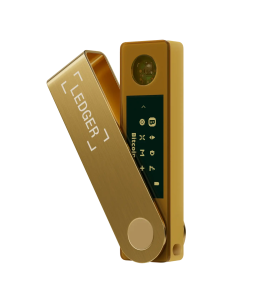
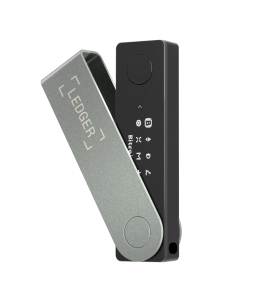
The Ledger Nano X is priced at $149 and is the mid-range hardware wallet in Ledger’s lineup. Released in 2019, it remains the bestselling Ledger device thanks to its perfect balance of portability, Bluetooth connectivity, and robust security.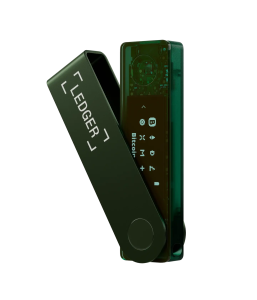
Key Specifications:
- Price: $149
- Screen: 128×64 pixel OLED display
- Security: Certified Secure Element (CC EAL5+), dual-chip architecture
- Connectivity: Bluetooth 5.0, USB-C
- Battery: Built-in rechargeable battery, up to 8 hours of use
- Storage: 2MB of storage capacity enabling up to 100 apps simultaneously
- Dimensions: 72mm x 18.6mm x 11.75mm, lightweight and pocket-friendly
- Supported Assets: 5,500+ digital assets
Security Features:
Ledger has denied concerns that the Nano X’s Bluetooth functionality makes it vulnerable to data interception, stating “Only public data is transmitted via Bluetooth; critical data such as private keys and recovery phrases never leave the device”. The device features optional 25th word passphrase protection for additional security layers.
Backup & Recovery:
24-word BIP39/BIP44 standard recovery phrase. If you lose your Ledger, you can recover your crypto by using your 24-word recovery phrase on a new Ledger device or another compatible wallet. Optional Ledger Recover subscription available.
Physical Resilience:
Brushed stainless steel and plastic body construction provides moderate durability. The scratch-resistant OLED screen holds up well to daily pocket carry. Compact USB-C design makes it highly portable though not as rugged as metal wallets.
Best For: Mobile users who want Bluetooth without sacrificing security, and active traders who manage crypto on-the-go. Ideal for users who value convenience and need frequent access to their assets from smartphones.
Pros |
Cons |
|---|---|
✅ Bluetooth 5.0 enables wireless mobile management |
❌ Battery issues reported by some users, with firmware updates needed |
✅ Latest firmware 2.4.1 (released April 2025) improved Bluetooth reliability |
❌ Small screen compared to premium models |
✅ iOS and Android compatible via Ledger Live app |
❌ Nearly twice the cost of Nano S Plus at $149 |
✅ Built-in battery for true mobility |
❌ Battery eventually needs replacement |
✅ Supports staking for Ethereum, Solana, Cosmos |
❌ Limited staking capabilities via Ledger Live interface |
✅ Install up to 100 apps simultaneously |
❌ Plastic construction less premium than metal alternatives |
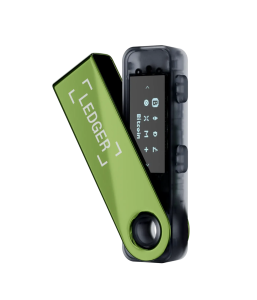
4. Ledger Nano S Plus — Best Budget Entry Point
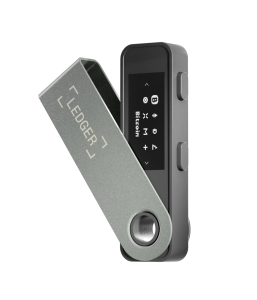
The Ledger Nano S Plus costs $79, making it one of the most affordable hardware wallets on the market. It’s the perfect entry point into Ledger’s ecosystem, offering the same core security as premium models without wireless connectivity.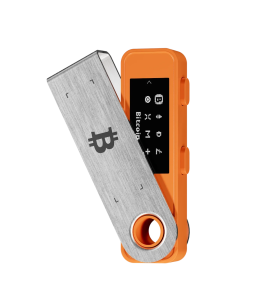
Key Specifications:
- Price: $79
- Screen: 128×64 pixel OLED display (larger than original Nano S)
- Security: Certified Secure Element chip (CC EAL5+), same architecture as Nano X
- Connectivity: USB-C only (no Bluetooth)
- Storage: 1.5MB enabling up to 100 apps simultaneously
- Dimensions: Compact USB stick form factor
- Supported Assets: 5,500+ cryptocurrencies
Security Features:
Despite its budget price, the Nano S Plus is powered by the industry-leading Secure Element chip, Ledger OS, and a Trusted Display screen. No wireless connectivity means maximum security with zero Bluetooth attack surface. PIN and optional passphrase protection included.
Backup & Recovery:
Standard 24-word mnemonic phrase with BIP39 compatibility. Paper backup cards included in the box. Users can restore on any Ledger device or compatible BIP39 wallet.
Physical Resilience:
Durable plastic construction with protected OLED display. USB-C connection only—more durable than older micro-USB ports. Lightweight and portable but lacks the premium feel of metal-bodied alternatives.
Best For: Budget-conscious users who prefer wired-only connections and cold storage enthusiasts. Excellent first hardware wallet for beginners or as a backup device for experienced users.
Pros |
Cons |
|---|---|
✅ At $79, identical price to competitors like Trezor Safe 3 |
❌ No Bluetooth connectivity |
✅ Same security level as $149 Nano X |
❌ Must stay plugged in—no battery |
✅ Supports 100 apps like premium models |
❌ Not iOS compatible (Android and desktop only) |
✅ Larger screen than original Nano S |
❌ Smaller screen than touchscreen competitors |
✅ No wireless connectivity = no wireless attack surface |
❌ Basic plastic construction |
✅ Perfect for cold storage “set and forget” strategy |
❌ Less convenient for frequent transactions |
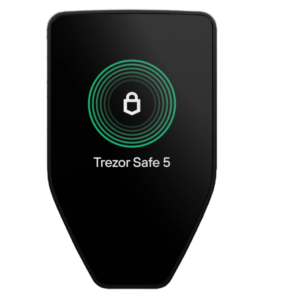
5. Trezor Safe 5 — Best Open-Source Premium Wallet
Launched in 2024, the Trezor Safe 5 costs $169 and is Trezor’s most advanced hardware wallet, featuring a 1.54-inch color touchscreen with 240 x 240 pixel resolution and EAL6+ Secure Element chip.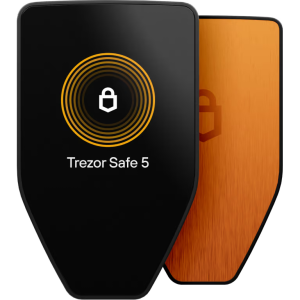
Key Specifications:
- Price: $169
- Screen: 1.54-inch color touchscreen (240 x 240 pixels) with Gorilla Glass 3
- Security: NDA-free EAL 6+ Secure Element chip, akin to the technology in high-security environments like smart cards and passports
- Connectivity: USB-C (no wireless)
- Dimensions: 65.9 x 40 x 8 mm, 23 grams
- Storage: MicroSD card slot for encrypted backups
- Supported Assets: Over 8,000 coins and tokens including Bitcoin, Ethereum, Litecoin, Cardano, BNB, XRP, Dogecoin, Polygon
- Colors: Black Graphite, Violet Ore, Green Beryl
Security Features:
The Safe 5 employs the NDA-free EAL 6+ Secure Element along with PIN and passphrase protection, ensuring strong defense against both online and offline threats. Fully open-source firmware allows community auditing. MicroSD slot enables PIN code encryption—once activated, the wallet cannot be unlocked without the associated microSD card.
Backup & Recovery:
Standard 12 or 24-word seed phrase, plus advanced Shamir Backup (SLIP39) which allows splitting recovery seed into multiple shares—for example, creating 5 shares where only 3 are needed to restore. MicroSD card support for additional encrypted backups.
Physical Resilience:
Robust PMMA plastic housing with anodized aluminum back plate gives the device a high-quality feel and additional durability. Gorilla Glass 3 protects the display from scratches. Compact and lightweight for easy portability.
Best For: Open-source advocates wanting modern features with advanced backup options, and users who prioritize transparency. Perfect for experienced crypto users who appreciate full code auditability.
Pros |
Cons |
|---|---|
✅ Equipped with Secure Element, haptic feedback, and integrates seamlessly with Trezor Suite |
❌ At €169 ($184), not everyone will have this much money for a hardware wallet |
✅ Fully open-source firmware for transparency |
❌ No Bluetooth or wireless connectivity |
✅ Supports Shamir Backup for advanced recovery options |
❌ Plastic build feels less premium than metal |
✅ Supports over 9,000 coins with regular updates |
❌ Bitcoin-only version costs same as universal version |
✅ MicroSD slot for PIN encryption adds security layer |
❌ Smaller screen than Ledger Flex |
✅ Haptic feedback makes device more error-free |
❌ Limited staking options compared to Ledger |

6. Trezor Safe 3 — Best Entry-Level Open-Source
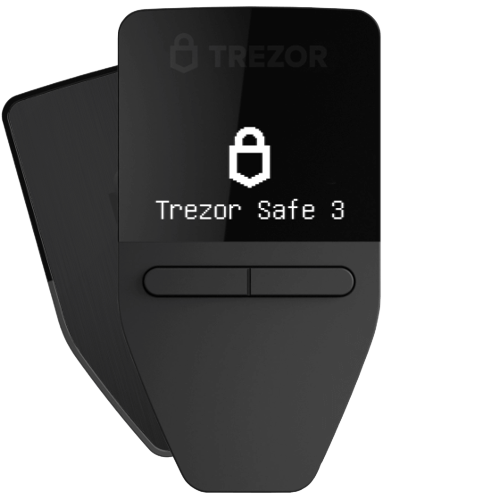
The Trezor Safe 3 costs $79 and is Trezor’s go-to wallet, positioned as the perfect all-around wallet at the same price as Ledger Nano S Plus. It’s the first budget Trezor to include a Secure Element chip.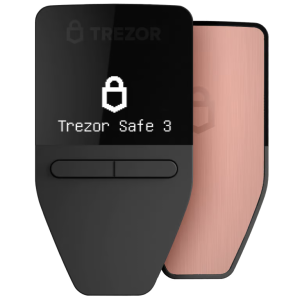
Key Specifications:
- Price: $79
- Screen: 128 x 62 pixel color OLED display
- Security: EAL6+ certified Secure Element chip, more highly certified than current Ledger models
- Connectivity: USB-C (no Bluetooth)
- Dimensions: 59 x 32 x 7.4mm, 14 grams
- Processor: Cortex M4 at 180 MHz
- Supported Assets: Over 8,000 coins and tokens, including complex coins like Solana and Cardano
- Colors: Cosmic Black, Solar Gold, Stellar Silver, Galactic Rose
Security Features:
The Safe 3 features the Secure Element, which is a super secure chip used in credit cards and passports, unbeatable even against the most sophisticated attacks. Fully open-source for community auditing. Coinjoin feature improves privacy and security of transactions by making it more difficult to track transaction history.
Backup & Recovery:
Standard 12 or 24-word recovery seed, plus Shamir Backup capability (previously only available on Model T) which allows creating a 3-of-5 recovery key where 5 lists of recovery words are created and only 3 are needed to restore the wallet.
Physical Resilience:
Improved design with easy-to-use buttons, bright OLED screen, and colored aluminum back. CE and RoHS certified, X-ray safe for travel. Lightweight plastic construction with USB-C connectivity.
Best For: Beginners seeking cost-effective hardware wallet security, and open-source purists who want Secure Element protection. Excellent value for users who don’t need Bluetooth or touchscreen features.
Pros |
Cons |
|---|---|
✅ Only $10 more than predecessor Model One with significant improvements |
❌ $20 more expensive than Model One |
✅ EAL6+ Secure Element more highly certified than Ledger models |
❌ Two-button navigation less intuitive than touchscreen |
✅ Fully open-source for transparency |
❌ No Bluetooth connectivity |
✅ Supports complex coins like Solana and Cardano not available on Model One |
❌ Small screen compared to premium models |
✅ Shamir Backup included (previously only on $219 Model T) |
❌ Some users accustomed to touchscreens find button interface deviation from norm |
✅ Four color options for personalization |
❌ Must stay plugged in—no battery |
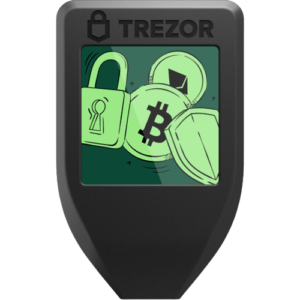
7. Trezor Model T — Best Mid-Range Touchscreen
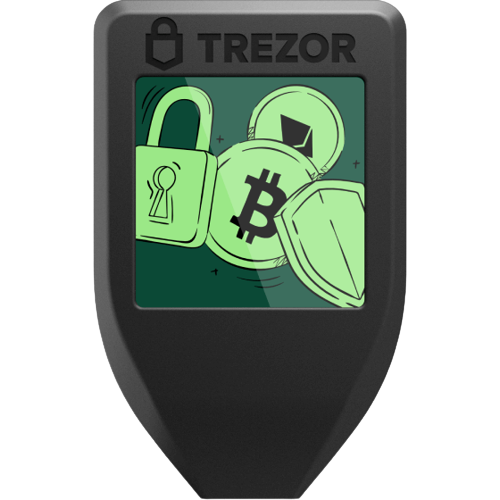
The Trezor Model T is priced at $219 and is Trezor’s original flagship featuring a color touchscreen. While superseded by Safe 5, it remains popular for its proven track record and now-reduced pricing.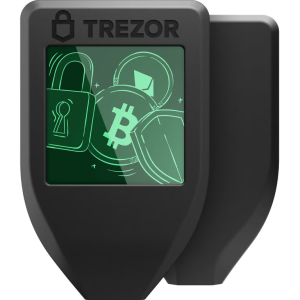
Key Specifications:
- Price: $219 (sometimes reduced to $129 in promotions)
- Screen: 240 x 240 pixel color LCD touchscreen
- Security: No Secure Element—uses general-purpose MCU, but fully open-source
- Connectivity: USB-C (no wireless)
- Storage: MicroSD card slot for encrypted backups
- Supported Assets: 1,000+ cryptocurrencies and tokens
- Dimensions: Similar to Safe 5 but slightly larger
Security Features:
While it doesn’t have a Secure Element like the Safe 5, it uses fully open-source firmware and hardware that has been tested and refined for years. Touchscreen PIN entry prevents shoulder surfing. Passphrase support for hidden wallets. Optional microSD card encryption for PIN protection.
Backup & Recovery:
Standard 12 or 24-word seed phrase, plus Advanced Shamir Backup (SLIP39) for splitting recovery seed. MicroSD encryption option provides additional backup security.
Physical Resilience:
Durable plastic construction with large color touchscreen. USB-C connection. Moderate build quality—functional but not premium. Protected by tamper-evident packaging.
Best For: Users who want open-source transparency with touchscreen convenience but don’t need cutting-edge Secure Element protection. Good for Bitcoin and Ethereum holders who prioritize auditable code.
Pros |
Cons |
|---|---|
✅ Large color touchscreen makes setup and use easier and more fun |
❌ No Secure Element chip like Safe 5 |
✅ Proven track record since original launch |
❌ Cybersecurity firms discovered exploits with physical access |
✅ Fully open-source for maximum transparency |
❌ At $219 official price, expensive for lacking Secure Element |
✅ Shamir Backup for advanced recovery |
❌ Safe 5 offers more features at $169 |
✅ MicroSD slot for PIN encryption |
❌ Smaller supported coin list than Ledger |
✅ Touchscreen more intuitive than buttons |
❌ Larger/bulkier than compact alternatives |
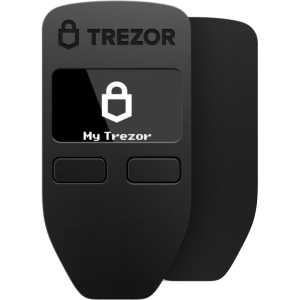
8. Trezor Model One — Best Ultra-Budget Option
The Trezor Model One is priced at $59 (originally $69) and is the world’s first hardware wallet released in 2014. Despite its age, it remains a solid choice for Bitcoin-focused users on the tightest budgets.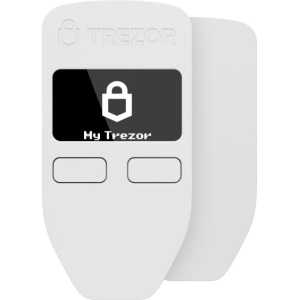
Key Specifications:
- Price: $59-$69
- Screen: Small 128 x 64 pixel OLED display
- Security: No Secure Element—fully open-source general-purpose chip
- Connectivity: Micro-USB (older standard)
- Dimensions: Basic compact plastic housing
- Supported Assets: 1,000+ but limited compared to newer models
- Interface: Two physical buttons for navigation
Security Features:
Fully open-source firmware and hardware allows community verification. Two-button operation for transaction confirmation. Computer PIN entry (security trade-off compared to on-device entry). Standard BIP39 passphrase support.
Backup & Recovery:
24-word recovery seed using BIP39 standard. Paper wallet creation. Does not support Shamir Backup (requires Model T or Safe models).
Physical Resilience:
Basic plastic housing with small OLED display, micro-USB connection, functional but dated design. Lightweight and portable but not premium build quality.
Best For: Bitcoin purists and extreme budget users comfortable with basic features. Good as a secondary backup device or for teaching beginners about hardware wallet concepts.
Pros |
Cons |
|---|---|
✅ Cheapest hardware wallet at $59 |
❌ No Secure Element chip—vulnerable to sophisticated physical attacks |
✅ Proven design since 2014 |
❌ PIN entry on computer (security trade-off) |
✅ Fully open-source for transparency |
❌ Outdated micro-USB connection |
✅ Supports major cryptocurrencies |
❌ Very small screen limits usability |
✅ Perfect for Bitcoin purists |
❌ No Shamir Backup support |
✅ Lightweight and portable |
❌ Can be hacked if sophisticated hacker has physical access |

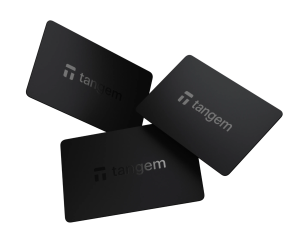
9. Tangem Wallet — Best Innovative Seedless Design
Tangem Wallet is priced at $54.90 for a 2-card set or $69.90 for a 3-card set, making it one of the most affordable hardware wallets. It takes a radically different approach using NFC-enabled cards with no screen and no seed phrases.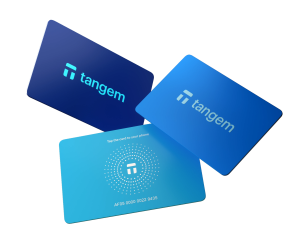
Key Specifications:
- Price: $54.90 (2-card set), $69.90 (3-card set)
- Form Factor: Credit card size, no screen
- Security: CC EAL6+ certified Secure Element chip designed in collaboration with Samsung Semiconductors
- Connectivity: NFC tap-to-sign via smartphone only
- Dimensions: Standard credit card dimensions
- Weight: Lightweight plastic card
- Supported Assets: Over 6,000 cryptocurrencies and tokens across 78 networks
- Warranty: 25-year warranty based on minimum chip lifespan
Security Features:
Private keys are generated within the secure element using a hardware random number generator, ensuring they remain non-extractable and confined to the card’s chip. Firmware is flashed during manufacturing and not subject to updates, eliminating risks associated with firmware tampering. No Tangem hardware wallet has been hacked since inception, with over 2 million wallets sold.
Backup & Recovery:
No seed phrase required—multi-card backup system eliminates the single point of failure. Each card in the set contains identical private keys. If you lose one card, your remaining cards still provide full access. Cards can be added or removed from the set using the Tangem app. Backup cards work independently, so losing one doesn’t compromise the others.
Physical Resilience:
IP68 dust and water resistance, operating temperature range of -25°C to +50°C. Cards are virtually indestructible in daily use—they can survive washing machines, physical bending, and extreme conditions. Tested to withstand over 25 years of use based on chip certification standards.
Best For: Users wanting ultimate portability and durability without seed phrase management, travelers who need rugged hardware, and beginners intimidated by recovery phrase backup. Perfect for those who prioritize convenience and physical resilience over screen-based verification.
Pros |
Cons |
|---|---|
✅ At $54.90 for 2 cards, cheapest option per wallet |
❌ No screen means blind signing—you trust your phone display |
✅ No seed phrase eliminates biggest security vulnerability |
❌ Requires smartphone with NFC for all operations |
✅ IP68 waterproof and virtually indestructible |
❌ No desktop computer support |
✅ Multi-card redundancy provides automatic backup |
❌ Cannot verify addresses on device itself |
✅ Supports 6,000+ assets across 78 blockchains |
❌ Less transparent—firmware is closed source |
✅ 25-year warranty based on chip lifespan |
❌ If phone is compromised, potential vulnerability |
✅ Extremely portable—fits in any wallet |
❌ Learning curve for users accustomed to traditional wallets |

10. Tangem Ring — Most Innovative Wearable Wallet
The Tangem Ring costs $160 (often on sale for $109) and is the world’s first wearable hardware wallet. It brings the same Tangem technology and security to your finger in an ultra-convenient form factor.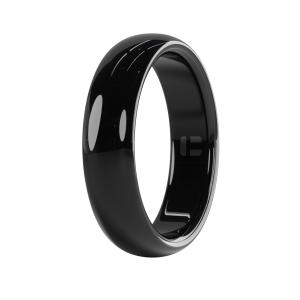
Key Specifications:
- Price: $160 (retail), often available for $109 on sale
- Form Factor: Wearable ring (sizes 6-13 US, 16.5-22.2 mm diameter)
- Security: Ceramic-encased CC EAL6+ Secure Element chip
- Connectivity: NFC tap-to-sign via smartphone
- Materials: Black zirconia ceramic
- Weight: Lightweight, designed for 24/7 wear
- Supported Assets: 6,000+ digital assets across major blockchains
- Battery: No battery required—powered by NFC field
Security Features:
The same CC EAL6+ certified Secure Element used in Tangem cards, encased in scratch-resistant ceramic. Private keys generated and stored within the ring’s chip, never exposed to external devices. Works in conjunction with backup Tangem cards for redundancy.
Backup & Recovery:
The ring works as part of Tangem’s multi-device ecosystem. When you set up the ring, you pair it with backup Tangem cards (sold separately or in bundles). The ring + cards system eliminates seed phrases while providing redundancy. If the ring is lost, your backup cards provide full access.
Physical Resilience:
Black zirconia ceramic construction offers exceptional durability and scratch resistance. Waterproof design suitable for continuous wear including handwashing and swimming. Hypoallergenic materials safe for sensitive skin. Operating temperature range supports all normal wearing conditions.
Best For: Users wanting the ultimate convenience of wearable crypto security, frequent spenders who want instant payment capability, and style-conscious individuals who view their hardware wallet as both security device and fashion accessory.
Pros |
Cons |
|---|---|
✅ Ultimate convenience—always with you on your finger |
❌ At $160 retail, expensive compared to card version |
✅ Waterproof ceramic construction for 24/7 wear |
❌ Requires smartphone with NFC for all transactions |
✅ No charging needed—NFC powered |
❌ Must purchase backup cards separately for recovery |
✅ Stylish black ceramic blends with jewelry |
❌ No screen for transaction verification |
✅ Integrates with Tangem card backup system |
❌ Limited size availability may not fit all users |
✅ Hypoallergenic for sensitive skin |
❌ Ring sizing must be accurate—cannot be resized |
✅ Scratch-resistant and extremely durable |
❌ Less versatile than card form factor |

Comparing the Top Crypto Hardware Wallets
Wallet |
Price |
Form Factor |
Screen |
Bluetooth |
Secure Element |
|---|---|---|---|---|---|
Ledger Flex |
$249 |
Standard |
2.84″ E Ink touchscreen |
Yes |
CC EAL6+ |
|
Ledger Stax |
$399 |
Premium card |
3.7″ curved E Ink touchscreen |
Yes |
CC EAL6+ |
Ledger Nano X |
$149 |
USB stick |
Small OLED |
Yes |
CC EAL5+ |
Ledger Nano S Plus |
$79 |
USB stick |
Small OLED |
No |
CC EAL5+ |
Trezor Safe 5 |
$169 |
Standard |
1.54″ color touchscreen |
No |
EAL6+ |

Trezor Safe 3 |
$79 |
Compact |
Color screen |
No |
EAL6+ |
Trezor Model T |
$219 |
Standard |
Color touchscreen |
No |
No (MCU only) |
Trezor Model One |
$69 |
Basic |
Small OLED |
No |
No |
Tangem Wallet |
$55-$70 |
Card (2-3 pack) |
No screen |
No |
CC EAL6+ (NFC) |
|
Tangem Ring |
$160 |
Ring |
No screen |
No |
CC EAL6+ (NFC) |
Which HardwareWallet Should YouBuy
Choosing the best crypto wallet depends on your specific needs. Here’s how to match wallets to use cases:
For Beginners:
- Best Choice: Ledger Nano S Plus ($79) or Trezor Safe 3 ($79)
- Alternative: Tangem Wallet ($55-70) if seed phrases seem intimidating
- Why: Affordable entry points with full security, straightforward setup
For Active Traders:
- Best Choice: Ledger Nano X ($149) or Ledger Flex ($249)
- Why: Bluetooth and large screens make frequent transactions easier
For Long-Term HODLers:
- Best Choice: Ledger Nano S Plus ($79) or Trezor Safe 3 ($79)
- Why: No battery to degrade, USB-only eliminates wireless attack surface
For Mobile-First Users:
- Best Choice: Ledger Nano X ($149)
- Alternative: Tangem Wallet ($55-70)
- Why: Native mobile app integration and wireless connectivity
For Privacy Advocates:
- Best Choice: Trezor Safe 5 ($169) or Trezor Safe 3 ($79)
- Why: Fully open-source, includes Coinjoin support, no data collection
For NFT Collectors:
- Best Choice: Ledger Stax ($399) or Ledger Flex ($249)
- Alternative: Tangem Wallet with visual NFT display
- Why: Large screens perfect for viewing NFT art
For Travelers:
- Best Choice: Tangem Wallet ($55-70) or Tangem Ring ($160)
- Why: Waterproof, no battery, extremely durable, X-ray safe
For Maximum Security:
- Best Choice: Ledger Stax ($399) or Trezor Safe 5 ($169)
- Why: Highest-rated Secure Element chips (CC EAL6+)
For Multi-Chain Users:
- Best Choice: Ledger Flex ($249) supporting 15,000+ assets
- Alternative: Tangem Wallet with 6,000+ assets across 78 chains
- Why: Broadest cryptocurrency support
Takeaway
Choose based on your specific needs: budget users should focus on the $79 tier, mobile users benefit from Bluetooth models, open-source advocates prefer Trezor, and those wanting ultimate convenience will love Tangem’s innovative approach. Regardless of which you choose from this list of the best crypto wallets, you’re making a smart decision to protect your digital assets with hardware security.
Frequently Asked Questions
What’s the difference between Secure Element and open-source security?
Secure Element chips (found in all Ledger models and newer Trezor Safe series) are certified tamper-resistant processors rated CC EAL5+ or EAL6+. These chips undergo rigorous security testing and are designed to physically destroy keys if tampering is detected. Open-source security (Trezor’s traditional approach) allows community verification of all code but typically uses general-purpose microcontrollers without tamper-resistance.
The ideal combination—found in Trezor Safe 3 and Safe 5—pairs both approaches: EAL6+ Secure Element chips with fully open-source firmware. This provides hardware-level protection verified by transparent code.
Do I really need a hardware wallet if I use strong passwords?
Absolutely. Software wallets on computers or phones remain vulnerable regardless of password strength. According to 2025 data, crypto hacks resulted in $1.63 billion stolen in Q1 alone—a 131% increase from 2024. Malware, keyloggers, phishing attacks, and remote access trojans can bypass any password security.
Hardware wallets keep private keys completely offline and isolated from internet-connected devices. Even if your computer is infected with malware, the private keys never leave the secure chip.
What happens if my hardware wallet breaks or gets lost?
For traditional hardware wallets (Ledger and Trezor models), your 24-word recovery phrase allows complete restoration on a replacement device or any compatible BIP39 wallet. As long as you’ve securely stored your recovery phrase, losing the physical device doesn’t mean losing your cryptocurrency.
Tangem wallets work differently—they use a multi-card system without seed phrases. If you lose one card, your other cards in the set provide full access. This eliminates the single point of failure inherent in recovery phrases.
Can hardware wallets be hacked?
While theoretically possible with physical access, sophisticated equipment, and significant resources, successful real-world attacks are extremely rare. Secure Element chips certified at EAL6+ have never been successfully breached in field conditions.
The most significant vulnerabilities come from:
- Supply chain attacks: Buying tampered devices from unofficial sources
- Compromised recovery phrases: Someone finding your written seed phrase
- Phishing: Entering your seed phrase into fake “wallet support” websites
- Physical theft with weak PIN: Someone stealing your device and cracking a simple PIN
Your recovery seed phrase represents the most likely vulnerability—store it securely offline in multiple physical locations.
What’s the best wallet for beginners?
For first-time hardware wallet users, we recommend:
Best Overall for Beginners: Ledger Nano S Plus ($79) or Trezor Safe 3 ($79)
- Affordable entry points
- Full security features of premium models
- Straightforward setup processes
- Extensive support documentation
Best Alternative for Beginners: Tangem Wallet ($55-70)
- Eliminates intimidating seed phrase management
- Simplest possible user experience (tap to sign)
- Multi-card backup system is intuitive
- Lowest price point
Start with these models to understand hardware wallet fundamentals before investing in premium devices.